

Are Long Arm Dusters easy to maintain?
As a supplier of long arm dusters, I've had numerous conversations with customers about the maintenance of these cleaning tools. Long arm dusters are a staple in many households and commercial cleaning settings, valued for their ability to reach high and hard - to - access areas. But the question of their ease of maintenance is one that comes up quite often.
Understanding Long Arm Dusters
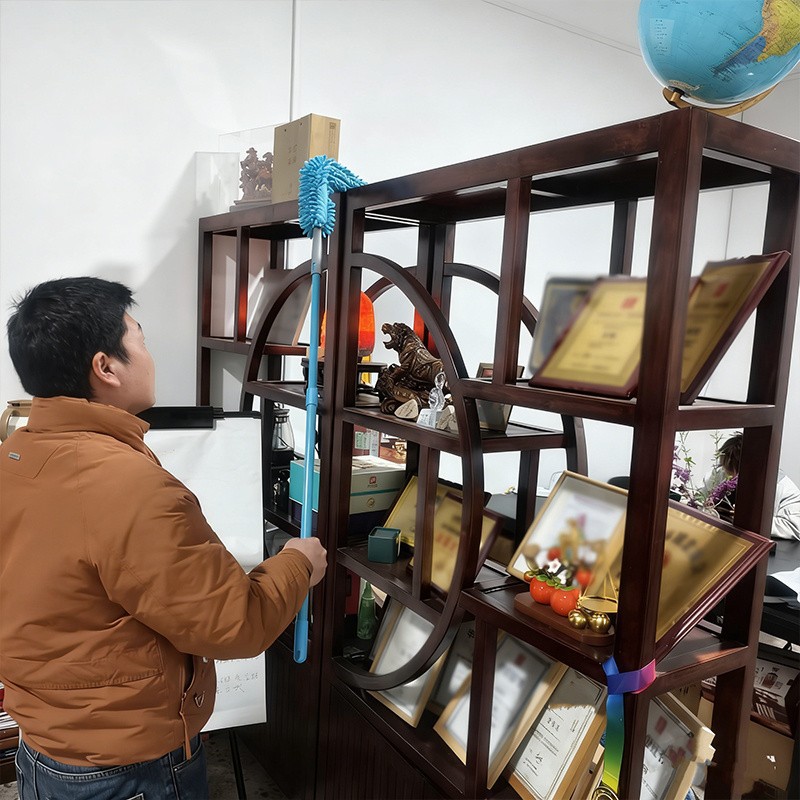
Long arm dusters typically consist of a long handle and a duster head. The handle is designed to extend the user's reach, allowing them to clean areas such as ceilings, top shelves, and the tops of cabinets without the need for ladders. The duster head can be made from a variety of materials, including microfiber, feathers, and synthetic fibers.
Microfiber long arm dusters are popular because they are highly effective at trapping dust. Microfiber is made up of tiny fibers that create a large surface area, which can attract and hold dust particles. Feather dusters, on the other hand, have a more traditional look and feel. They are often made from natural feathers, which can gently sweep dust away. Synthetic fiber dusters are durable and can be easily cleaned.

Maintenance of Different Types of Long Arm Dusters
Microfiber Long Arm Dusters
Microfiber long arm dusters are relatively easy to maintain. After each use, it's a good idea to shake the duster outside to remove loose dust. For a more thorough cleaning, you can wash the duster head in the washing machine. Use a mild detergent and cold water to prevent damage to the microfiber. Avoid using fabric softeners, as they can reduce the dust - trapping ability of the microfiber. After washing, hang the duster to dry. It's important to ensure that the duster is completely dry before using it again to prevent the growth of mold.
Feather Long Arm Dusters
Feather dusters require a bit more care. They should be gently shaken outside after each use to remove dust. To clean a feather duster more thoroughly, you can use a can of compressed air to blow out the dust from between the feathers. If the feathers are very dirty, you can soak the duster head in a mixture of warm water and a small amount of mild soap. Gently swish the duster in the water, then rinse it thoroughly. Shake off the excess water and reshape the feathers while they are still damp. Hang the duster to dry in a well - ventilated area.
Synthetic Fiber Long Arm Dusters
Synthetic fiber long arm dusters are among the easiest to maintain. They can be shaken outside after use to remove dust. For a deeper clean, you can wash them in the sink with warm, soapy water. Rinse the duster thoroughly and squeeze out the excess water. Hang it to dry. Synthetic fibers are generally more resistant to damage from washing compared to microfiber and feathers.
Common Maintenance Challenges
One of the common challenges in maintaining long arm dusters is keeping the duster head in good condition. Over time, the fibers on the duster head can become matted or damaged, reducing their effectiveness. This is especially true for feather dusters, where the feathers can break or become misaligned.
Another challenge is dealing with stubborn dirt and grime. Sometimes, simply shaking or washing the duster is not enough to remove all the dirt. In such cases, you may need to use a more aggressive cleaning method, such as soaking the duster in a stronger cleaning solution. However, this should be done with caution, as it can damage the duster material.
Comparing with Other Cleaning Tools
When compared to other cleaning tools, long arm dusters have their own advantages and disadvantages in terms of maintenance. For example, consider the Bendy Duster. The bendy duster is designed to be flexible, allowing it to reach around corners and into tight spaces. While it may be easy to clean in some ways, the bendy part may require special attention to ensure that it remains flexible.
The Silicone Magic Broom is another cleaning tool. It is made of silicone, which is generally easy to clean. You can simply rinse it under water and it will be ready for use again. In comparison, long arm dusters may require more complex cleaning procedures depending on the material of the duster head.
The Tall Duster is similar to a long arm duster in that it is designed to reach high places. However, its maintenance may vary depending on the specific design and material. If it has a similar duster head to a long arm duster, the maintenance procedures will be similar.
Tips for Easy Maintenance
- Regular Cleaning: Make it a habit to clean your long arm duster after each use. This will prevent dust from building up and make the cleaning process easier in the long run.
- Proper Storage: Store your long arm duster in a clean, dry place. Avoid storing it in a damp environment, as this can lead to the growth of mold and mildew.
- Inspect Regularly: Check the duster head regularly for signs of damage. If you notice any broken fibers or matting, take steps to repair or replace the duster head.
- Use the Right Cleaning Products: Use mild detergents and cleaning solutions that are suitable for the material of your duster. Avoid using harsh chemicals that can damage the duster.
Conclusion
In general, long arm dusters are relatively easy to maintain, especially if you follow the proper cleaning and storage procedures. The maintenance requirements vary depending on the material of the duster head, but with a little care, you can keep your long arm duster in good condition for a long time.
If you're interested in purchasing long arm dusters or have any questions about their maintenance, I'd be more than happy to assist you. Feel free to reach out for a discussion about your cleaning needs and how our long arm dusters can fit into your cleaning routine.
References
- "Cleaning Tools 101: A Guide to Maintaining Your Equipment", Cleaning Supplies Journal, 2022
- "The Science of Dusting", Home Cleaning Research Institute, 2021